

Fixing Paver Problems Around Your Churchville Home
Most homeowners think pavers are just about curb appeal. Nice lines, clean edges, maybe a touch of character. But outdoor surfaces take a beating — and if you're not watching for it, you're inviting damage that spreads fast. Pavers might look solid, but they live on shifting ground, under freeze-thaw cycles, and through seasons that test every joint. Especially if you're ignoring the base or skipping maintenance.
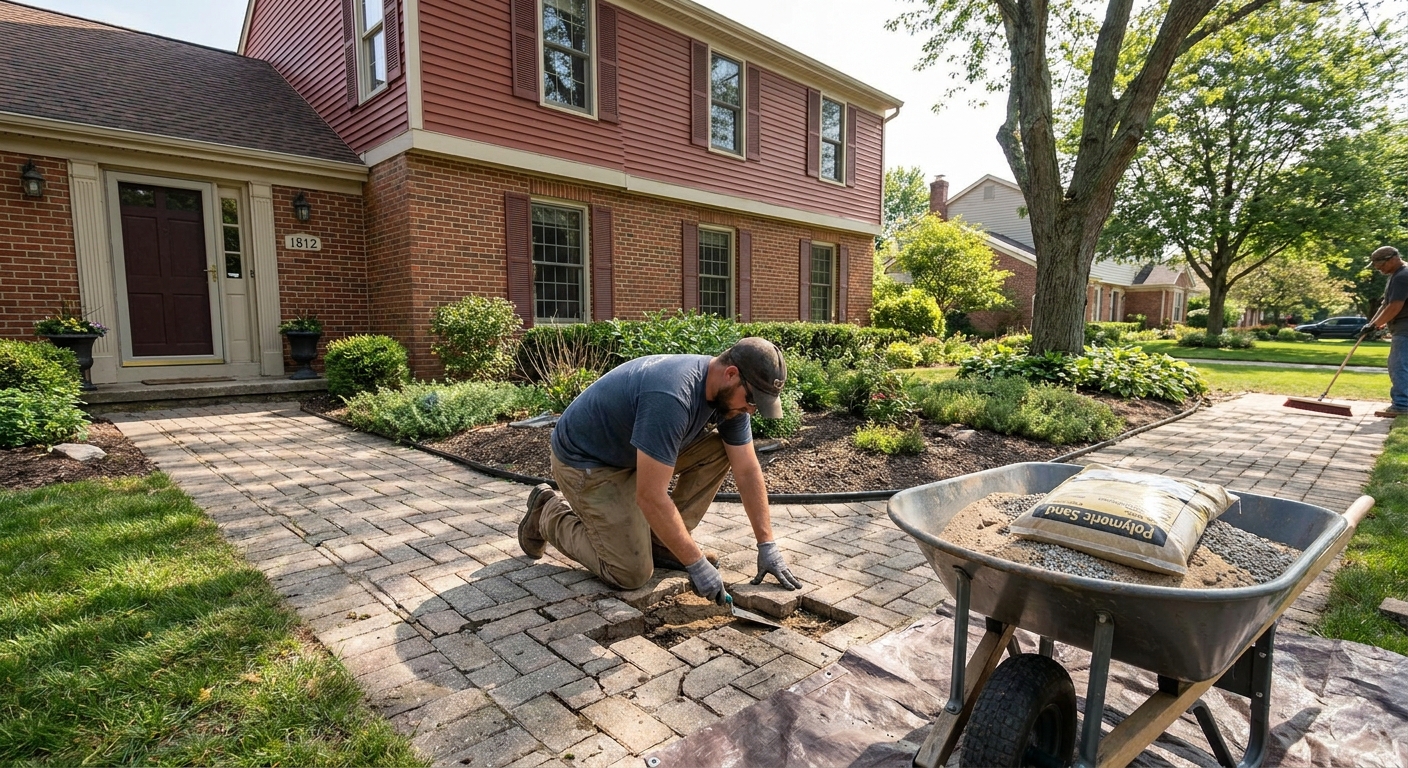
So here's the reality. If you laid pavers to add value or function, that's smart. Just don't treat them like set-and-forget hardscaping. Every crack tells a story. Every sunken section needs attention. And every repair should be grounded in what caused the problem — not just what it looks like from the driveway.
When Settlement Happens and What It Means
Nine times out of ten, uneven pavers aren't a product failure. You installed them, the ground shifted — that's settlement, not shoddy material. The base compacts, water washes out sand, tree roots expand. Churchville's climate doesn't help either, with freeze-thaw cycles that push and pull soil all winter long.
But if those pavers stay low or tilted? Different problem. Ignored settlement can become a trip hazard, a drainage nightmare, or a full teardown project. We see this play out every spring. Plenty of homeowners think a sunken paver is cosmetic — it's not. And when water starts pooling or erosion kicks in, the fix gets a lot more expensive.
The Joints That Actually Matter
You can't prevent every weed — that's just nature reclaiming space. But the sand between your pavers? That's often a weak point. Regular sand washes out, leaving gaps that invite roots, moss, and shifting.
Here's where upgrades pay off:
- Polymeric sand hardens after watering and locks pavers tight, keeping weeds at bay
- Proper joint width prevents cracking under pressure while still allowing drainage
- Reapplying sand annually keeps the surface stable and reduces movement
- Sealers protect against stains and make future cleaning easier
- Edge restraints hold the perimeter in place so pavers don't creep outward over time
Stains Don't Wait for Spring Cleaning
Want to keep pavers looking sharp? Deal with spills and organic debris fast. The longer a stain sits, the deeper it goes — and some discoloration becomes permanent if you wait too long.
The most common culprits we see:
- Oil and grease from vehicles or grills, which need degreasers made for masonry
- Leaf tannins that darken pavers if piles sit through wet seasons
- Rust from metal furniture or planters, requiring oxalic acid treatments
- Efflorescence, that white haze from salts leaching out of the pavers themselves
- Algae and mold in shaded or damp areas, which spread if not scrubbed away
Cracked Pavers Tell You Something
If your pavers are cracking, the issue usually runs deeper than the surface. Hairline fractures might come from impact or a bad batch, but widespread cracking? That's a base problem or a drainage failure waiting to spiral.
You'll need more than a replacement paver to fix this. Pull the damaged piece, check the base layer for voids or washout, and add compacted material if it's missing. If cracks keep showing up in the same zone, water's probably undermining the foundation. Fix the grade, improve drainage, or accept that you'll be patching forever.
Movement Comes from Weak Edges
Loose pavers don't just happen. They're a symptom of边缘 restraint failure or inadequate base prep. Without a solid perimeter holding everything in place, pavers migrate. Foot traffic, lawn equipment, or freeze-thaw action push them out of alignment, and once one moves, the rest follow.
Check your edges first:
- Plastic or metal edging should be spiked deep and tight against the border pavers
- Concrete curbing offers permanent support but requires proper installation
- Soldier course borders need their own stable base or they'll shift too
- Missing spikes or loose restraints should be reset before pavers start walking
- Backfill behind edging prevents voids that let pavers tip outward
The Base Layer No One Wants to Talk About
Most paver problems trace back to what's underneath. If the base wasn't compacted right, or if it's eroding from poor drainage, your surface will fail no matter how nice the pavers look. Churchville's clay-heavy soil makes this worse — it holds water, expands when frozen, and shifts when it thaws.
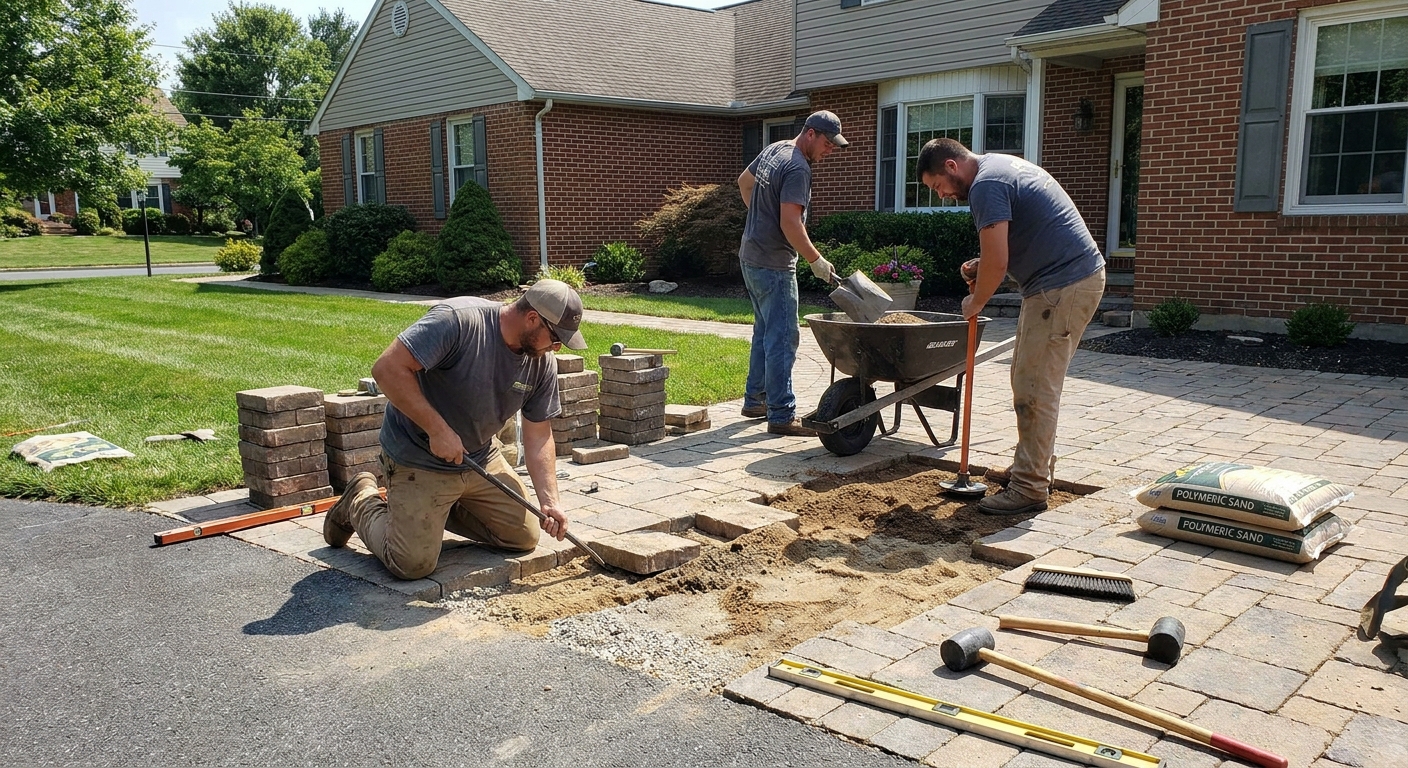
Skipping base work is the fastest way to guarantee problems. If you're resetting pavers, don't just drop them back in. Add gravel, compact it in lifts, and make sure water has somewhere to go. That's not optional if you want the repair to last.
When Weeds and Moss Take Over
Vegetation between pavers isn't just ugly — it's a structural risk. Roots pry joints apart, moss traps moisture, and weeds signal that your sand is gone. Hand-pulling works for small infestations, but if you're seeing growth everywhere, the joints need to be refilled and sealed properly.
Here's what stops regrowth:
- Polymeric sand creates a barrier that hardens and resists root penetration
- Pressure washing clears out old sand and organic material before refilling
- Vinegar or commercial weed killers knock back stubborn growth without harsh chemicals
- Regular sweeping prevents seeds from settling into joints in the first place
- Sealers reduce moisture retention, making the surface less hospitable to moss
Calling In Help When DIY Isn't Enough
Not every paver problem is a weekend project. If you're dealing with widespread sinking, recurring cracks, or drainage issues that affect your foundation, we're in professional territory. A qualified concrete services contractor can assess the base, rework the grade, and rebuild sections that are beyond simple patching.
It's not just about saving time. It's about preventing a bigger mess later when a bandaid fix fails and you're looking at a full demo. For homeowners dealing with persistent surface issues, our paver repair services include comprehensive diagnostics to identify underlying causes before implementing solutions. Property owners throughout Bucks County PA have learned that professional assessment saves money compared to repeated DIY attempts. If the scope feels overwhelming or the problem keeps coming back, get someone out who knows what they're looking at.
Hardscaping That Holds Up
Installing pavers is the easy part. Keeping them level, clean, and locked in place — that's where homeowners either win or lose. There's no excuse for ignoring obvious damage when the fixes are straightforward. Experienced residential masonry services professionals understand that durable installations begin with proper preparation and ongoing maintenance protocols. But there's also no shortcut when the real issue is underground or beyond your skill set. Our team at Carpino Inc has helped countless homeowners throughout service areas across the region restore failing hardscaping through systematic repair strategies. At that point, you're either solving it right or setting yourself up for a redo. Make the call that keeps your Churchville property looking sharp and functioning safely, because half-fixed pavers aren't doing either.
Let’s Restore Your Pavers the Right Way
We know how frustrating it is to see your pavers shift, crack, or lose their curb appeal. Let’s work together to bring back the look and stability your outdoor spaces deserve. If you’re ready for solutions that last, give us a call at 215-355-7549 or schedule an appointment and let’s get your Churchville home’s pavers back in shape.
‹ Back
Recent Posts
-
Fixing Paver Problems Around Your Churchville Home
November 6, 2026
-
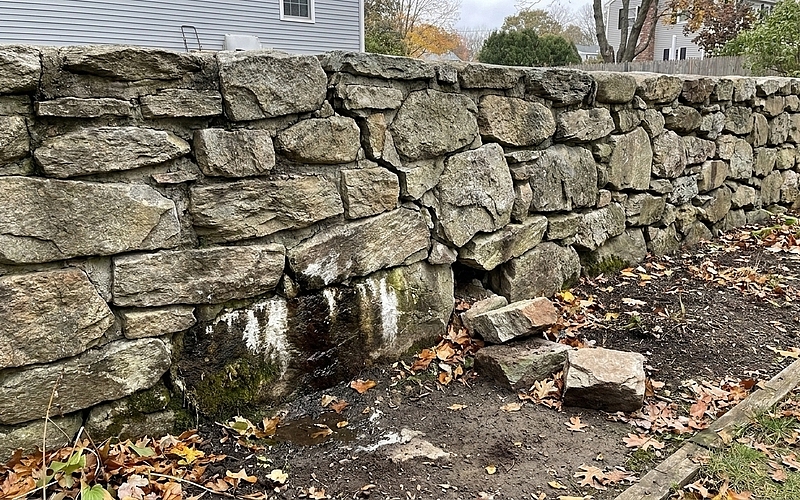
Signs Your Stone Retaining Wall in Warwick Needs Some Attention
October 23, 2026
-
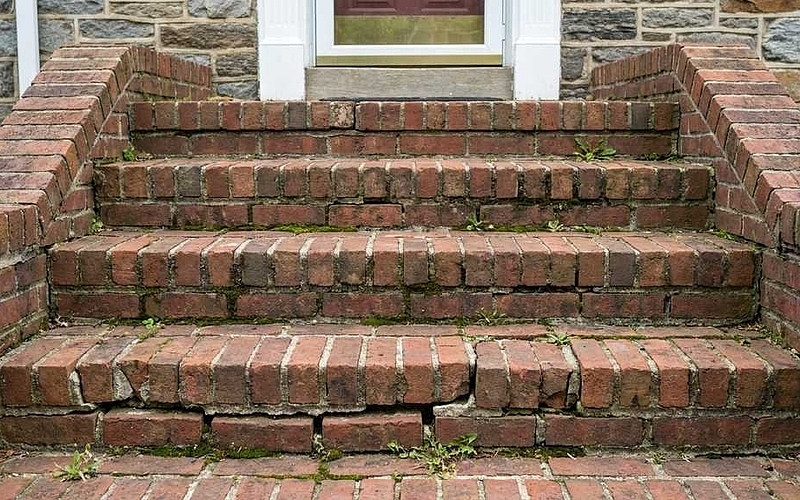
Are Your Brick Steps in Holland Starting to Come Loose?
October 9, 2026
-
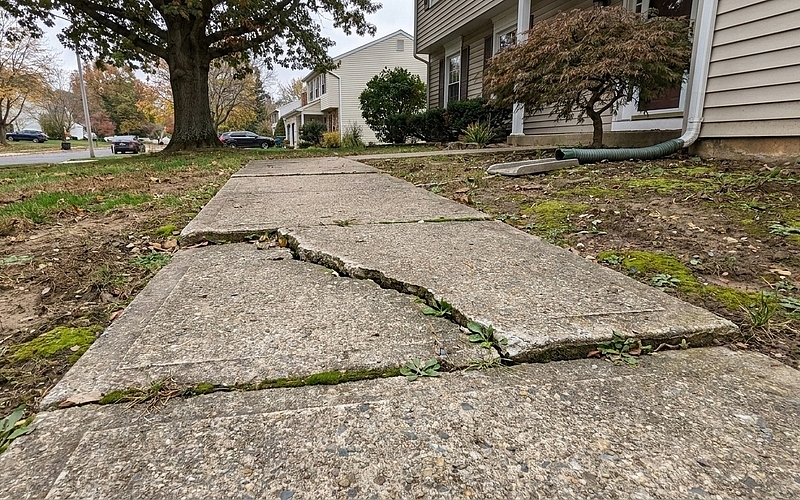
Why Concrete Walkways in Warrington Begin to Crack and Settle
September 25, 2026
-

Keeping Your Stucco Looking Its Best in Doylestown
September 11, 2026