

Are Your Brick Steps in Holland Starting to Come Loose?
Most homeowners see brick steps as permanent. Solid. Built to last. But that's only true until the weather gets involved. In Holland, Pennsylvania, freeze-thaw cycles don't ask permission — they crack mortar, shift bricks, and turn stable steps into tripping hazards faster than you'd expect. If your steps are wobbling or showing gaps, that's not cosmetic. That's structural.
We're going to walk through why brick steps fail, what the early signs look like, and what you can do before the problem gets expensive. Every step deserves a solid foundation. But every repair needs to happen before the damage spreads.
Water Gets In and Everything Falls Apart
Holland, PA winters are brutal on masonry. Water seeps into mortar joints, freezes overnight, and expands with enough force to crack the bond between bricks. Do that a few dozen times per season and you've got loose bricks, crumbling mortar, and a staircase that shifts under your feet. It's not a question of if — it's when.
Then there's general wear. Foot traffic, salt runoff, and UV exposure all chip away at the integrity of your steps. Even if the original build was solid, years of exposure can erode the surface layer and weaken the joints. Poor drainage makes it worse. If water pools at the base or runs down the face of the steps, you're speeding up the clock on every repair.
What to Look For Before It Gets Worse
Catching the problem early means fixing it on your terms, not because someone fell. Here's what we check when we inspect brick steps:
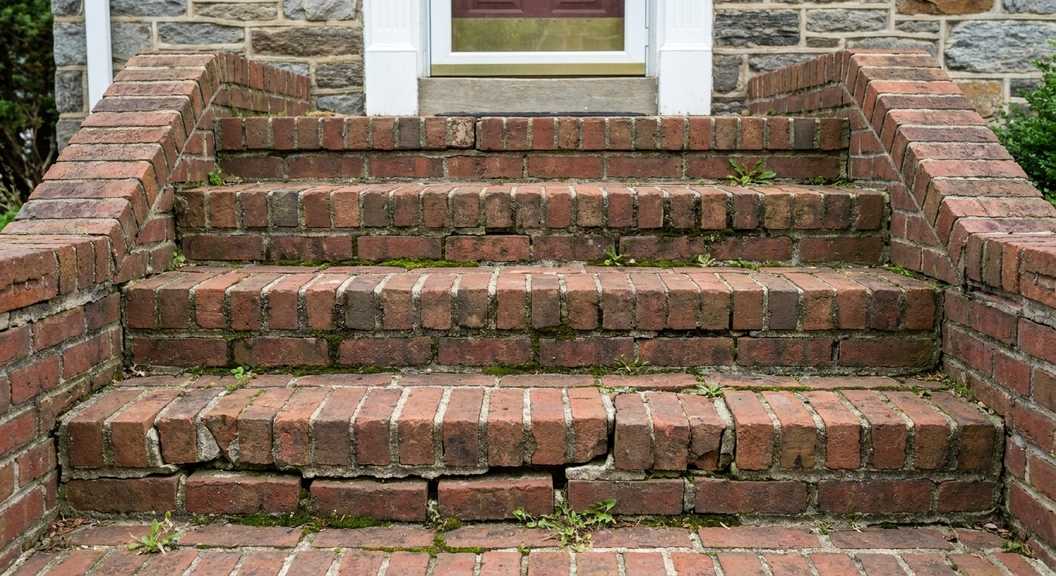
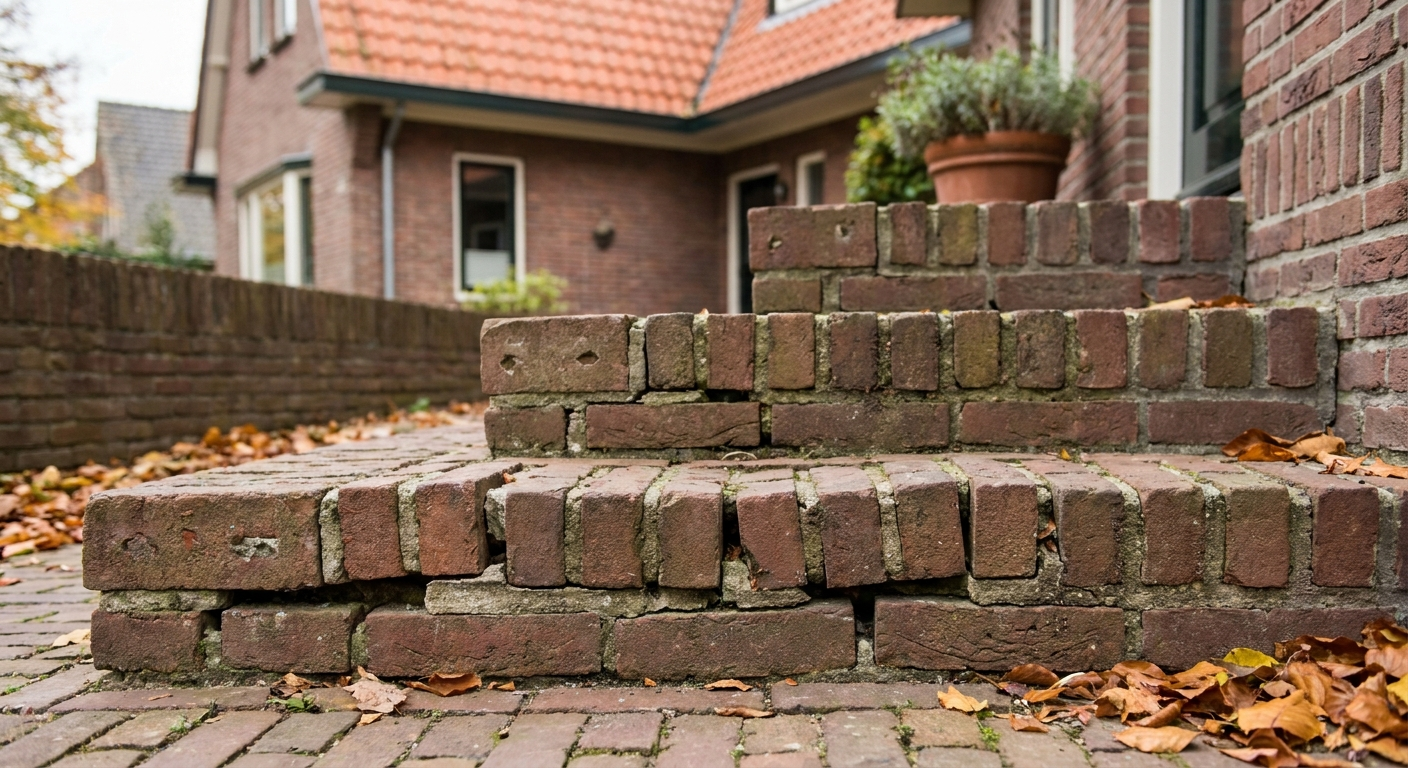
- Bricks that rock or shift when you step on them
- Cracks running through the mortar or across the face of bricks
- Gaps where mortar used to be
- Crumbling or missing chunks of mortar
- Steps that slope or sit unevenly
- Standing water that doesn't drain away
If any of these sound familiar, you're past the point of waiting. Loose bricks don't tighten themselves. They get worse with every freeze, every rainstorm, and every person who walks up your front steps.
Ignoring It Only Makes the Bill Bigger
Loose steps aren't just ugly — they're dangerous. We've seen sprained ankles, broken wrists, and worse. All because someone thought a little wobble wasn't worth addressing. Liability aside, unstable steps can compromise the foundation they're attached to. Once water gets past the surface, it eats away at the base, the substructure, and anything else in its path.
In Holland, PA's climate, water infiltration is a constant threat. When mortar fails, moisture travels deeper into the masonry and spreads the damage. What started as a loose brick turns into a full rebuild — and that's not cheap. Catching it early saves money, time, and headaches.
Repairs That Actually Hold
If the damage is limited to a few bricks and the base is still solid, repointing is the fix. We remove the loose bricks, clean the joints, and reset everything with fresh mortar. Done right, it holds for years. Done wrong, you're back where you started in six months.
When the damage runs deeper — foundation shifts, widespread cracking, water damage — you're looking at a partial or full rebuild. That's not a DIY project. It requires a mason who knows how to assess load, drainage, and material compatibility. For complex cases involving foundation issues, structural foundation repair becomes essential. Skipping that step means repeating the same failure on a new timeline.
Keep Them Stable After the Fix
Once your steps are repaired, maintenance becomes the priority. Regular inspections catch problems before they spiral. Keep the surface clean, watch for new cracks, and address them immediately. Don't let debris or leaves pile up — they trap moisture and accelerate deterioration.
Here's what keeps brick steps in working order:
- Inspect mortar joints every season
- Clear debris and standing water promptly
- Use de-icing products sparingly and avoid harsh chemicals
- Check for new cracks or shifting after heavy storms
- Reseal bricks every few years if recommended by your mason
Drainage is just as important. If water runs toward your steps instead of away, you're fighting a losing battle. Gutters, downspouts, and grading all play a role. Fix the drainage and you'll extend the life of every repair.
Who Should Handle the Work
Not every contractor knows masonry. Bricklaying is a trade that requires precision, experience, and an understanding of material behavior. If the person you hire doesn't know the difference between Type N and Type S mortar, or can't explain why your steps failed in the first place, keep looking.
We've repaired plenty of steps that were "fixed" by someone who didn't know what they were doing. Mismatched mortar, improper drainage, skipped base prep — those shortcuts show up fast. When you hire a pro, you're paying for someone who knows how to prevent the next failure, not just patch the last one. Finding experienced professionals offering residential masonry services ensures you get quality work that lasts.
Materials That Matter
Not all bricks are created equal. Neither is mortar. Using the wrong mix or substituting cheaper materials might save money upfront, but it guarantees failure down the line. Mortar needs to match the flexibility and strength of the existing masonry, or it'll crack under pressure.
Here's what goes into a long-lasting repair:
- Mortar that matches the original in composition and strength
- Bricks rated for exterior use and freeze-thaw resistance
- Proper curing time before exposing the repair to traffic or weather
- Sealant applied only when necessary and appropriate for the material
- Base layers that allow for drainage and prevent water buildup
Cutting corners here doesn't just risk another repair — it risks the integrity of the entire structure. We've seen it happen too many times. Professional stone and brickwork requires the right materials and proper technique. Use the right materials or expect to do it twice.
When to Call Someone In
If your steps are showing multiple signs of failure, or if you're not sure what's causing the problem, don't wait. A professional assessment costs less than a repair that fails because you guessed wrong. We'll tell you what's fixable, what's not, and what the timeline looks like.
Here's when you should bring in a mason:
- More than two bricks are loose or shifting
- Mortar is crumbling in multiple joints
- Steps are visibly uneven or sloping
- Water damage is visible around the base
- Previous repairs have failed within a year
Good contractors don't just fix the surface. They diagnose the root cause and address it so the repair lasts. That's the difference between a band-aid and a solution. Understanding common masonry problems and solutions helps you make informed decisions. For broader project needs, exploring concrete services and specialized work across service areas ensures comprehensive property care.
Stop Waiting for the Next Crack
Brick steps don't fix themselves. Every wobble, every gap, every crack is a warning. We've worked with enough homeowners in Holland, Pennsylvania to know that the ones who act early spend less and worry less. The ones who wait? They pay for it later — in repair costs, safety risks, and frustration. If your steps are coming loose, now's the time to handle it. Call a mason, get an assessment, and make the fix before the next freeze does the damage for you.
Let's Restore Your Brick Steps Together
We know how important safe, sturdy steps are for your home in Holland, PA. If you're seeing signs of trouble, let's get ahead of the problem and protect your investment before it gets worse. Give us a call at 215-355-7549 to talk through your concerns, or schedule an appointment and let's make sure your brick steps stay strong for years to come.
‹ Back
Recent Posts
-
Are Your Brick Steps in Holland Starting to Come Loose?
October 9, 2026
-
Why Concrete Walkways in Warrington Begin to Crack and Settle
September 25, 2026
-

Keeping Your Stucco Looking Its Best in Doylestown
September 11, 2026
-
When Chimney Cracks in Newtown Need More Than a Quick Repair
August 28, 2026
-
Why Brick Pointing Matters for Older Homes in Doylestown
December 26, 2025