

How to Tell If Your Stucco Needs Patching or Full Replacement
Stucco problems don’t wait for a convenient time. A crack or stain on the wall means something’s happening behind the surface. In Northampton, weather and moisture hit hard. You need to know when a patch will do the job and when it’s time to replace the whole section. Otherwise, you’re risking bigger repairs down the line.
Surface Clues That Matter
Walk around your home and look closely. The surface tells you more than you think. Some cracks barely catch the eye, but others jump out and demand attention. Here’s what to watch for:
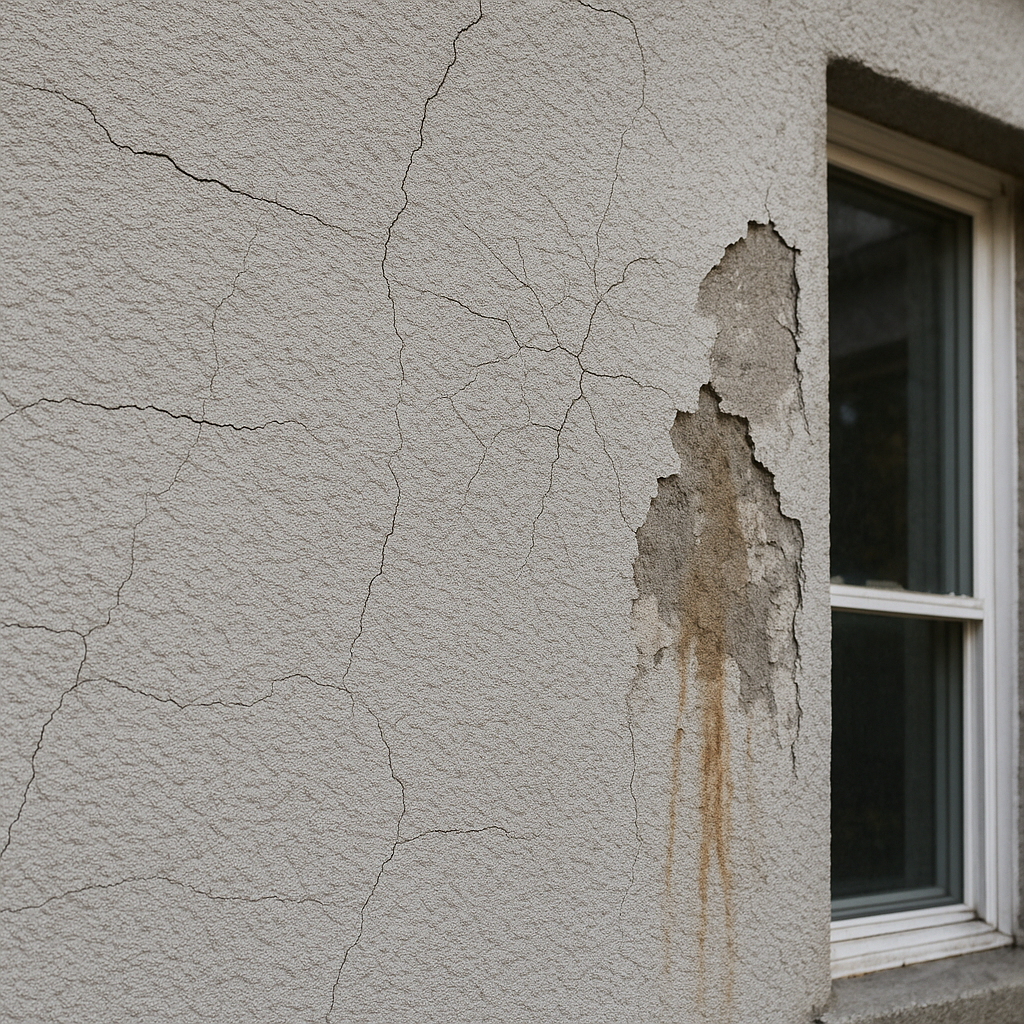
- Hairline cracks under 1/8 inch. These usually just need patching. They show up as thin, straight lines and don’t spread fast.
- Spider web patterns. These cracks branch out in all directions. They point to movement in the wall or deeper stress. Patching won’t hold for long.
- Bulging or swollen spots. Stucco pulls away from the wall. Tap it and you’ll hear a hollow sound. The bond is gone. Water and air get behind the surface.
- Soft or crumbly areas. Press with your thumb. If the stucco gives, water has broken down the material. The wall underneath could be at risk.
- Color changes. Dark patches or streaks mean moisture is getting in. The finish looks uneven, and the problem often runs deeper than the surface.
Damage takes time to show up. Year after year, Northampton weather beats on your walls - rain soaks in, ice pushes cracks wider, and sun bakes everything dry. Even tiny breaks in the surface let water do its work. Our professional stucco repair team fixes small problems fast, but seeing multiple warning signs means your walls need a deeper look.
What Water Damage Really Looks Like
Moisture damage plays tricks. The worst leaks often stay hidden until they've done serious harm. But your walls will tell you what's wrong - if you know the signs. Look for brown patches where water pools. Watch for chalky white spots - that's mineral buildup from water moving through your wall. See rust marks below windows or near the ground? That means the metal parts inside your wall are rotting away. Each of these marks tells a story about where water's getting in and what it's destroying.
Inside the house, the warning signs get clearer:
- Wallpaper peels or bubbles near windows and doors.
- Musty smells linger, especially after rain.
- Drywall feels damp or soft to the touch.
- Paint blisters or flakes off in patches.
Water behind your stucco means big trouble. Once it gets past the surface, it attacks your home's bones. Patching won't fix it - the water's already doing its work inside. Your walls need to dry, and we need to find where that water's sneaking in. Many Northampton homes show these problems because of issues with their foundation's structural integrity or problems in their home's masonry exterior. Wait too long, and that hidden water keeps eating away at your house, spreading damage everywhere it goes.
How Pros Find the Real Problem
Surface checks only go so far. Real assessment digs deeper. Moisture meters show how much water is inside the wall. Infrared cameras spot cold, wet spots that the eye can’t see. Core samples pull out a plug of stucco and wall to show what’s happening underneath. These tools let our masonry professionals see the full situation: where the water is, how far it’s spread, and what needs fixing.
In Northampton, a full wall system check matters. That means looking at:
- Flashing around windows and doors. Bad flashing lets water in every time it rains.
- Drainage planes. If water can’t escape, it pools behind the stucco and rots the wall.
- Underlying masonry. Cracks or gaps in the brick or block let water move deeper.
Skipping these steps leads to missed problems. A quick patch hides the damage, but the wall keeps getting worse. Full assessment means no surprises later. When you call Carpino Contractors, Inc., we use these advanced tools and methods to make sure nothing is overlooked and your home gets the right solution the first time.
When to Patch and When to Replace
Some stucco fixes are simple. A thin crack or broken edge? Quick patch job works fine. The repair matches up, and your wall stays solid. But watch out for the big signs - wide splits, walls pushing out, or wet spots on your inside walls. Those aren't patch jobs. When you see damage all over or water keeps getting in, you need to start fresh. That means taking everything down to the wall frame, fixing what's underneath, and putting up all new stucco. Trying to patch big problems just hides the real trouble.
Check your stucco each time the seasons change. Small problems turn into big ones fast. A quick walk around your house can spot new damage, discoloration, or weak spots right away. Money spent on early fixes saves thousands later and keeps your home's worth solid. Northampton weather hits stucco hard year after year. Don't ignore the warning signs. If you're not sure what you're looking at, our team can check it out. We'll tell you straight - patch it now or replace it all. Your house needs the right fix, not just a quick one.
Get a Professional Stucco Assessment Today
Carpino Contractors, Inc. provides thorough stucco evaluations for Northampton homeowners. Call 215-355-7549 or contact us to schedule your professional assessment.
‹ Back
Recent Posts
-

Keeping Your Stucco Looking Its Best in Doylestown
September 11, 2026
-
When Chimney Cracks in Newtown Need More Than a Quick Repair
August 28, 2026
-
Why Brick Pointing Matters for Older Homes in Doylestown
December 26, 2025
-
How to Tell If Your Stucco Needs Patching or Full Replacement
December 12, 2025
-

Benefits of Professional Paver Repair for Walkways in Southampton
November 28, 2025